Player guides
Animals
Learn how to care for the animals in Planet Zoo 2.
Animals and their welfare are the heart and soul of any zoo in Planet Zoo 2. You'll need to understand their needs and manage their welfare to help them thrive in zoos and Wildlife Reserves.
Every species in your zoos and Wildlife Reserves will have certain needs and wants that will have to be managed to ensure they are happy, healthy and Thriving. To monitor these requirements, you can view an animal's Info Panel.
Animal Info Panel
Info Panels are used to inspect the current status, welfare requirements, Genetics and any other stats for your Animals.
Select any animal in-world or from a list to access their Info Panel.
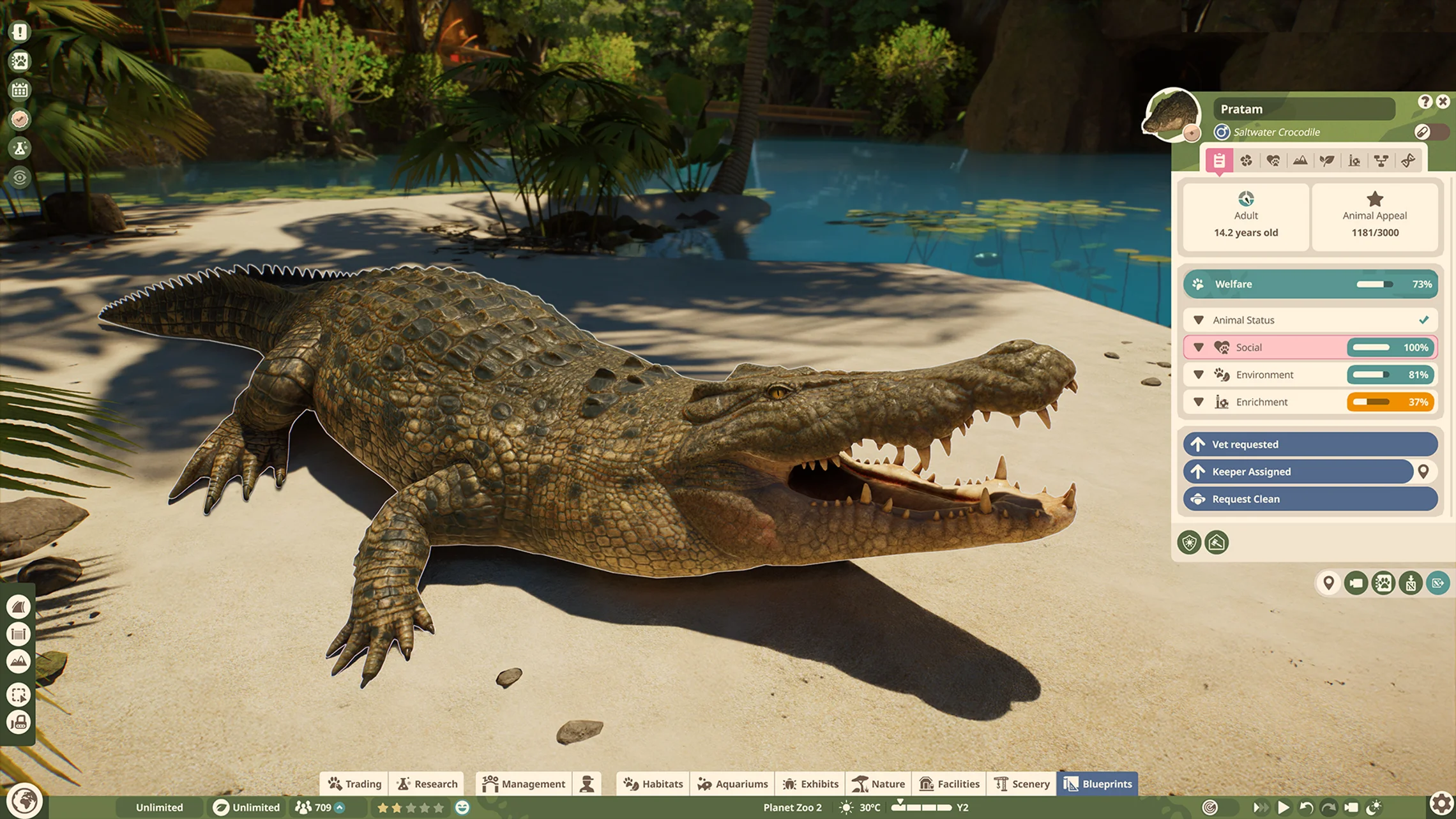
Additionally, Info Panels allow quick access to actions relating to your currently selected animal, such as entering its Camera View or moving it to another location.
Animal Lifespan
You will also be able to monitor an animal's age in their Info Panel. This is important as their needs will change as they mature.
After gestation (and sometimes nesting), animals are first shown as juveniles, capable of relative independence from their parents. At this stage of their life, young animals will need less space and may only social bond with their parents.
They will change into adults once they are mature enough to mate successfully. They will age into their prime adult years, followed by old age, and finally elderly years before ultimately dying from old age. Once animals mature into adults, their needs will stabilise.
Note that you will still need to monitor the needs of your animals periodically, even if you previously have met them as needs can be impacted by outside factors, such as Stress being impacted by how often they are viewed by Guests. An animal's needs may also change when their Habitat population grows, like when a male juvenile animal matures and other adult males become uncomfortable.
Longevity Genetics determine the maximum lifespan an animal may achieve, which is reduced by poor welfare, illness, and injury. Sudden death can always occur through predation, critical illness or serious injury, as well as starvation, dehydration, and incorrect salinity of water bodies.
There are a wide range of animal types in Planet Zoo 2.
Each kind of animal will have different Habitat needs, whether they're in a zoo or in a Wildlife Reserve.
Terrestrial
Larger land animals such as the Grey Wolf and African Leopard, are species that you manage as individuals.
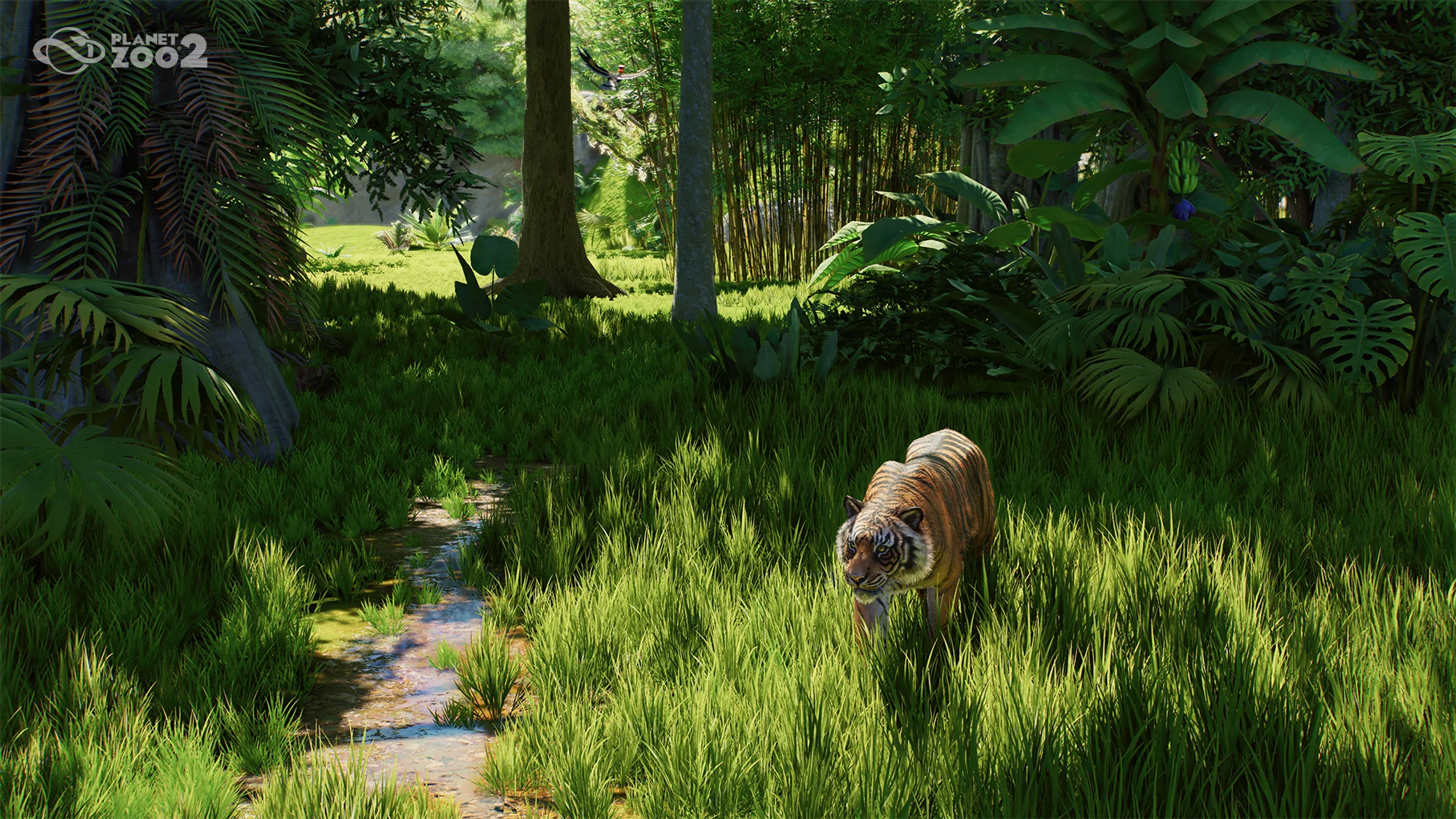
Terrestrial animals require Habitats made with Barriers and have certain terrain requirements to keep them comfortable. Some of these species can also share their Habitats with other animals, such as birds, but the Habitat will have to meet the requirements of all species it houses.
Semi-Aquatic
Some of the species in Planet Zoo 2 will have mixed terrain requirements for their Habitat. Animals like the Eurasian Beaver will need bodies of water as part of their space requirements as well as land to sleep, nest and feed.
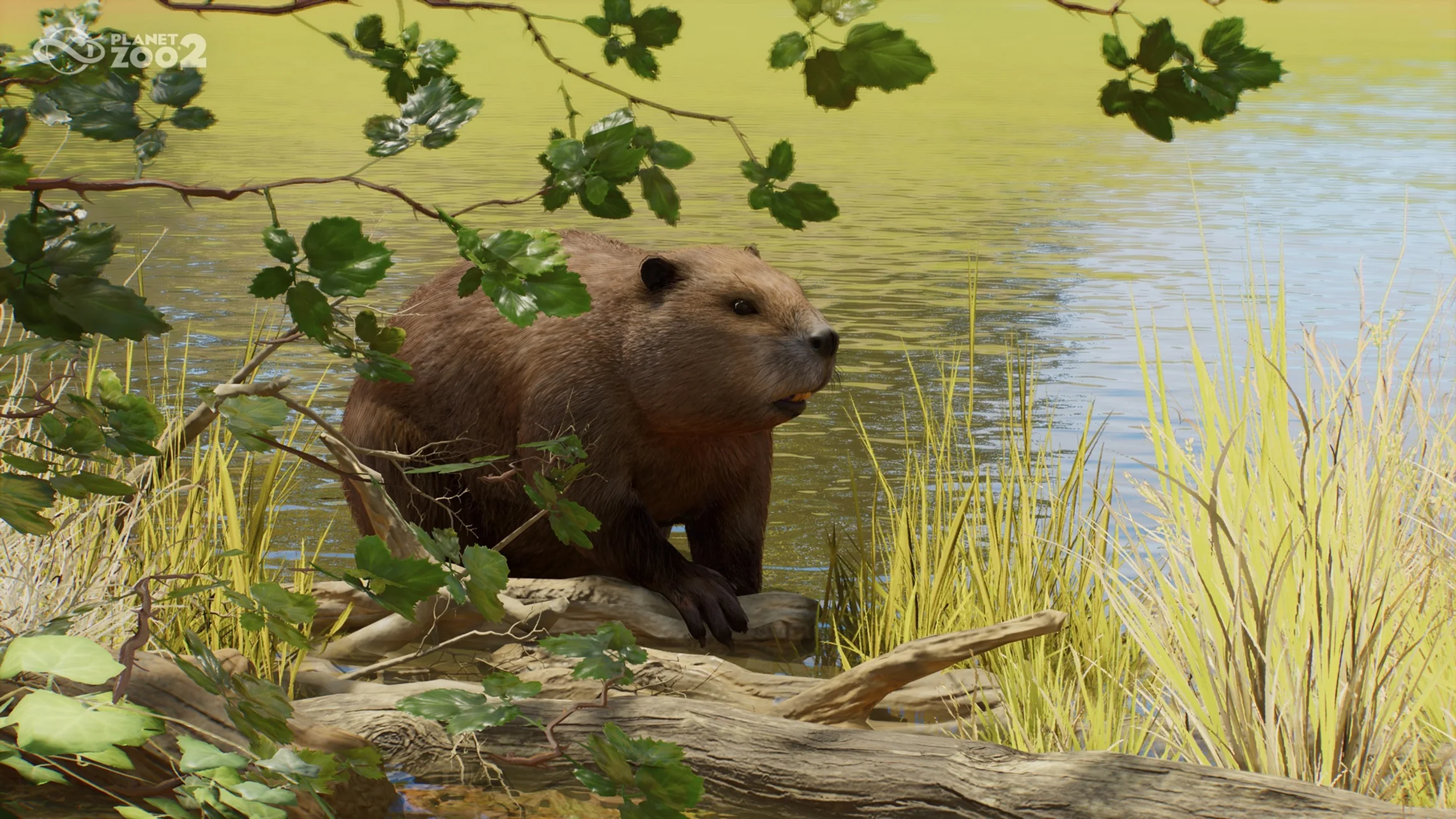
When looking at a species' space needs in their Info Panel, any requirements for bodies of water will include the depth and size of the area, as some animals will want to swim but others might simply wade.
Learn more about building Habitats for your terrestrial species in the Habitats & Exhibits guide.
Avian
Planet Zoo 2 features a mix of amazing flying animals such as the Toco Toucan and Shoebill. These species will need an aviary Habitat in your zoos, made from Barriers, supports and dynamic mesh roofing.
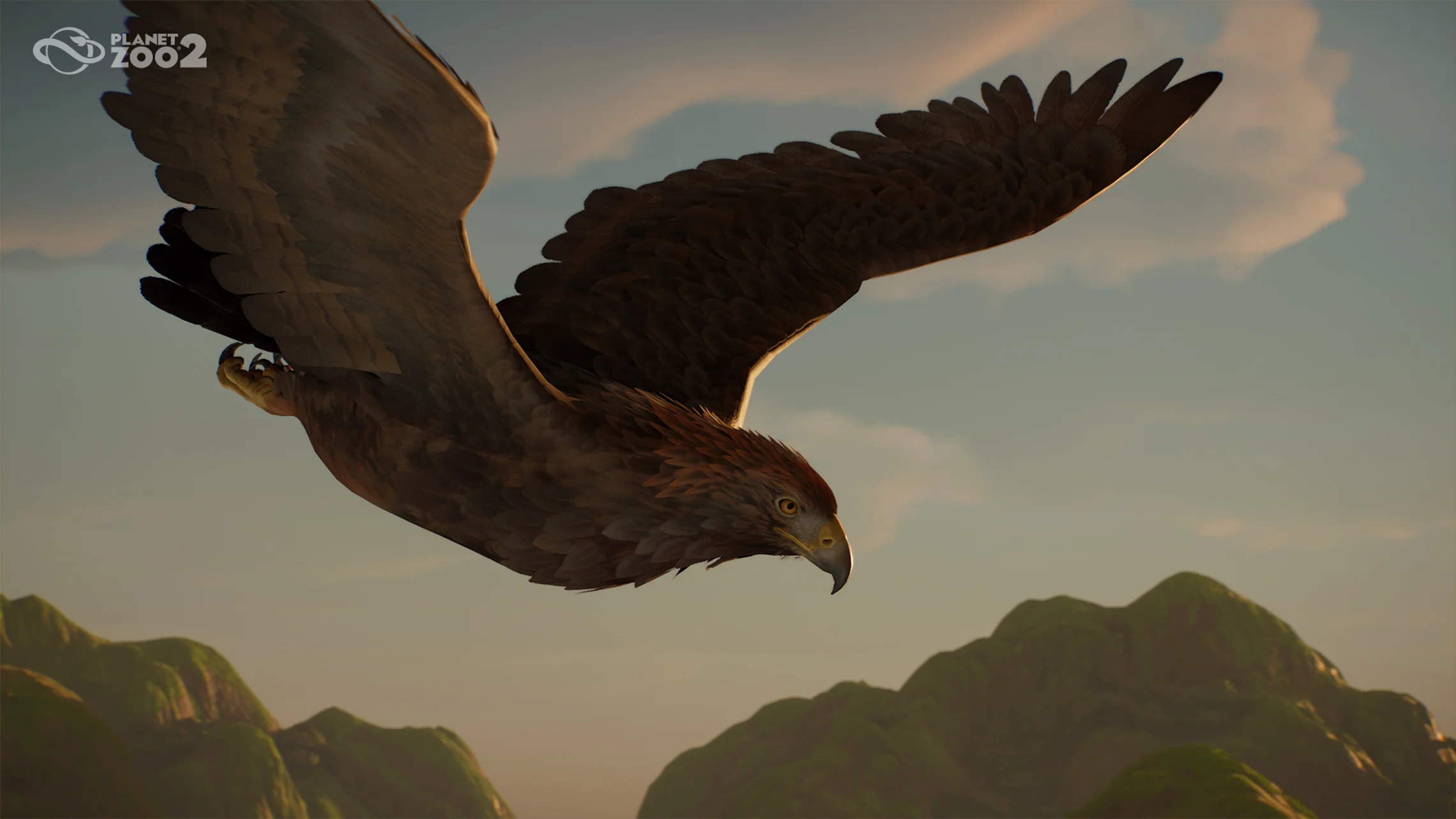
Avian species need nests within their environment to meet their welfare needs. As a zookeeper, you'll need to build aviaries to meet their unique needs and manage their welfare on the ground & in the skies!
Learn more about Aviaries in the Habitat & Exhibits guide.
Aquatic
Fully aquatic species like the Hawksbill Turtle and Indo-Pacific Leopard Shark will require you to build Aquariums. These species will have specific welfare needs such as salinity requirements, cleanliness and more.
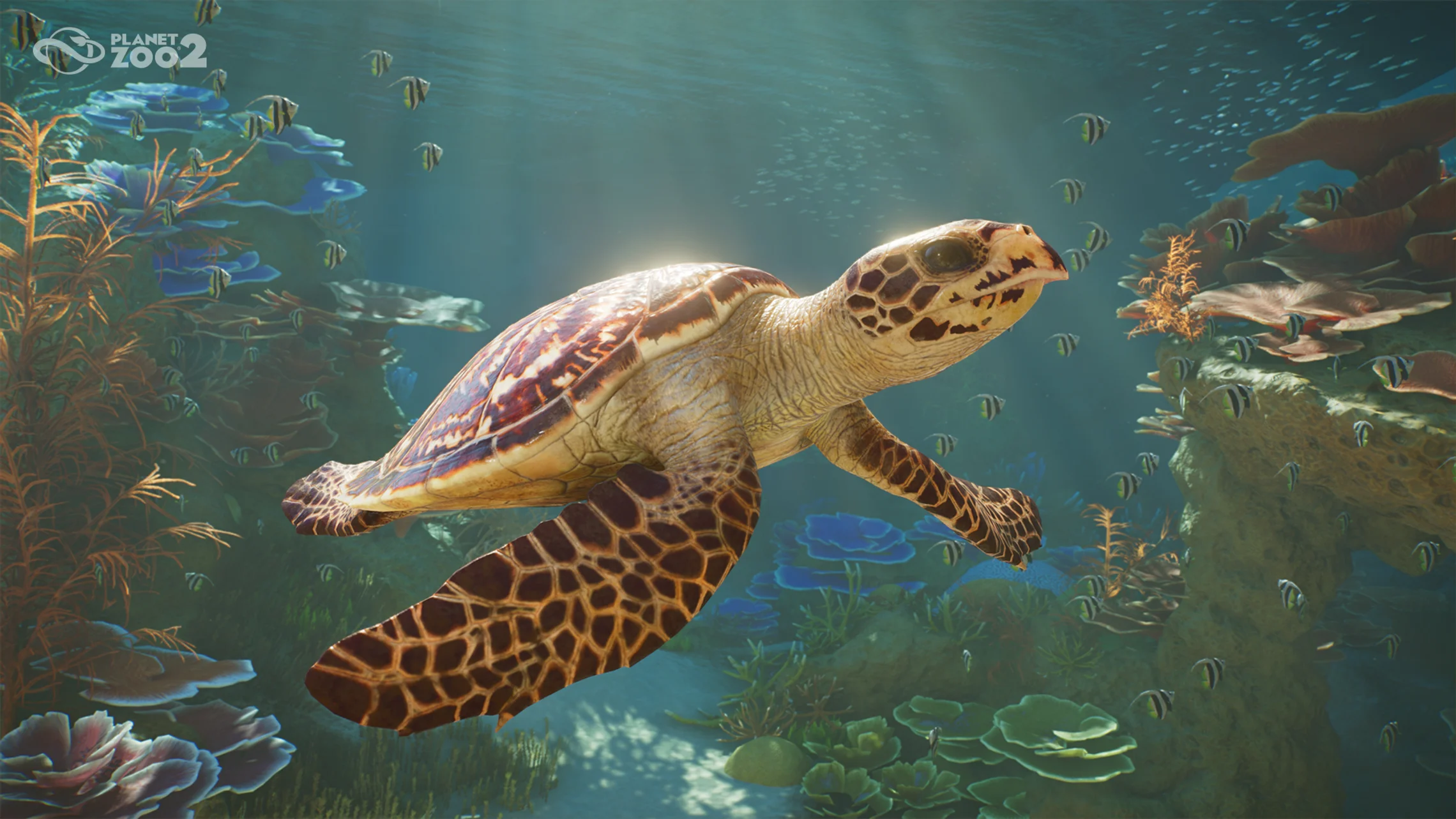
Certain individual aquatic animals and shoal species can happily cohabit in the same Aquarium but for more information, consult the Zoopedia.
Shoals
Many fish are managed as groups or shoals instead of individuals. Depending on the species, they will often move around in synchronised groups inside Aquariums or Exhibits.
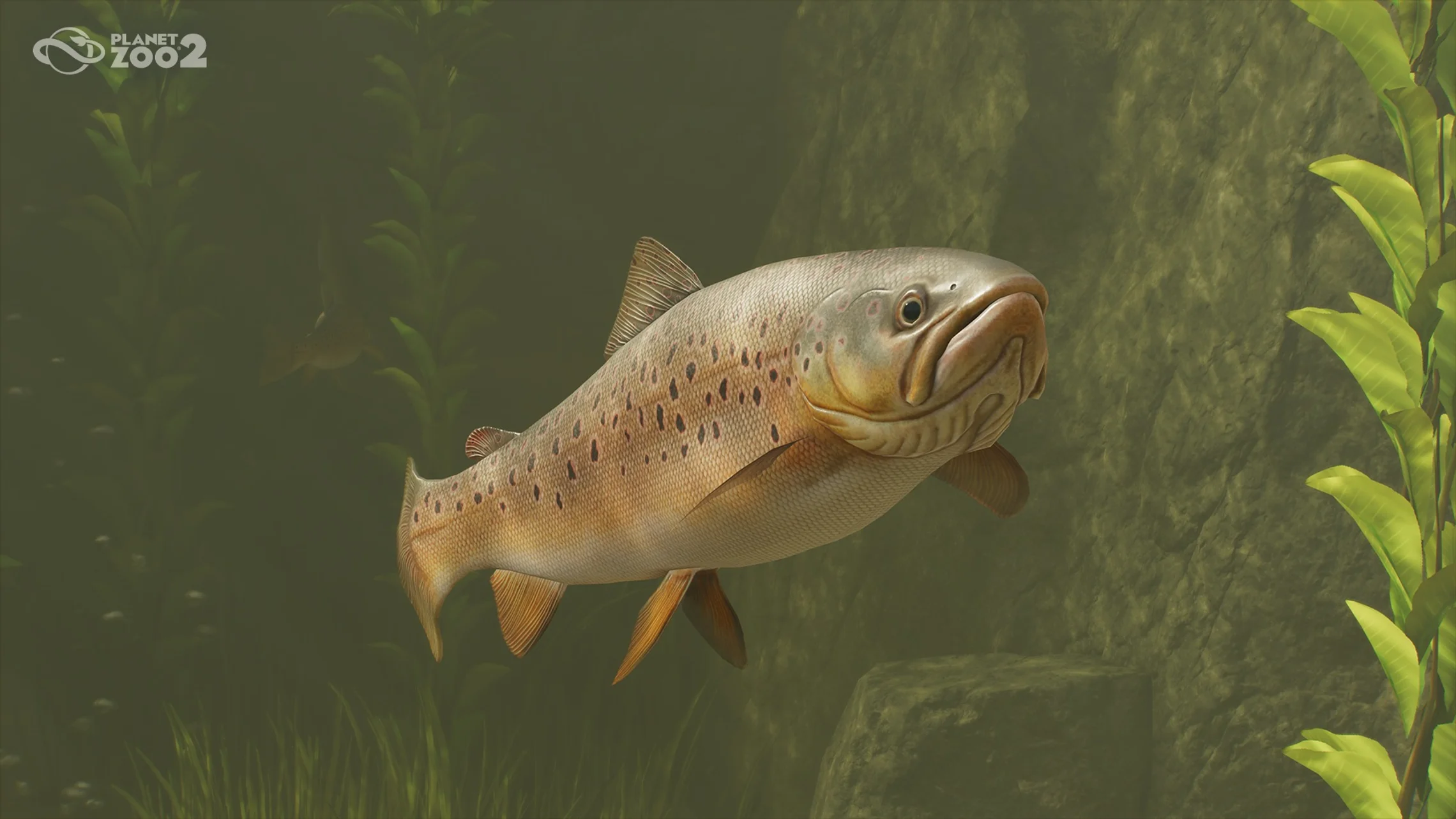
Instead of breeding and dying like individual animals, shoals regenerate their members over time. Good welfare will cause the number of animals to grow up to a maximum, before some of its growth will leave to form a new shoal. Splitting into new shoals can be prevented with contraception.
Shoals with poor welfare will shrink in number until the shoal dies completely. Shoals do not have Genetics to manage, though some species, such as Koi, do have colourmorphs.
Learn more about building Aquariums in our guide.
Exhibit Animals
Smaller animal species like snakes, frogs and even some small fish are housed in Exhibits. These animals are in self-contained ecosystems but, you will also need to maintain these animals environments to ensure they have good welfare and improve the chance to breed.
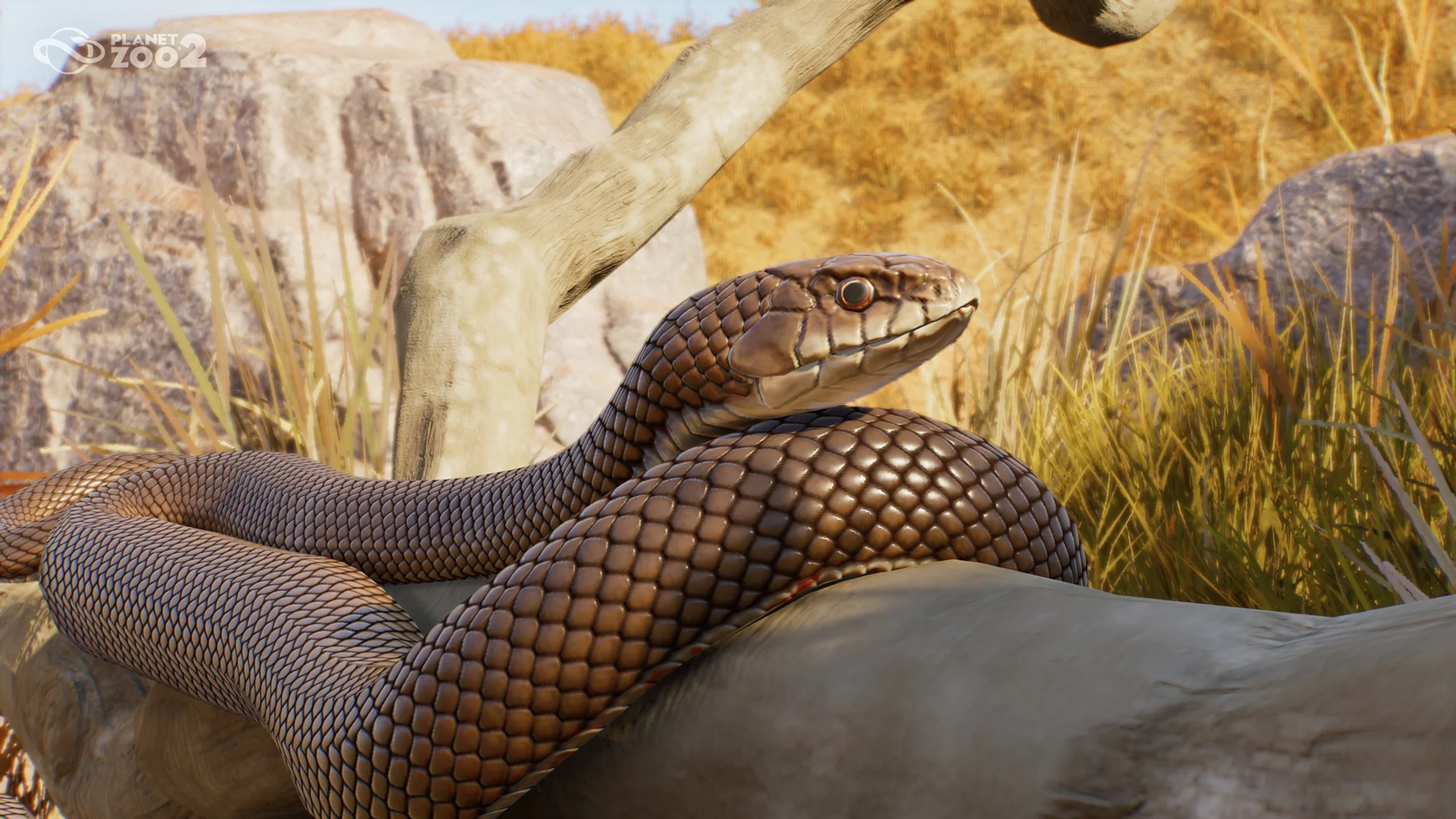
Exhibit welfare includes the temperature, humidity and salinity as well as ensuring your Exhibit animals are well fed, watered and clean.
Colonies
Many small animals in Exhibits are managed as groups or colonies instead of individuals.
Instead of breeding and dying like individual animals, colonies regenerate their own members over time. Good welfare will cause the number of animals to grow up to a maximum, before some of its growth will leave to form a new colony.
Splitting into new colonies can be prevented with contraception. Colonies with poor welfare will shrink in numbers until the colony dies completely.
Animal Welfare is judged by how well you are meeting an animal's need across several areas, including:
- Animal Status - how hungry, thirsty, comfortable, relaxed, clean and safe they are.
- Social - recommended population size, Habitat space and nesting sites where relevant.
- Environment - type of terrain provided and its distribution, available plants, available drinking water.
- Enrichment - availability of toy and food enrichment based on population size.
Animals with high welfare live longer, are less prone to illness, attract more Guests and generate more donations. Animals with low welfare can become sick, attract protestors and even die early.
How To Improve Animal Welfare
To achieve a good standard of Animal Welfare, you'll need to do the following things for all the animal in your zoos.
- Establish regular deliveries of food and sources of clean water, maintain a comfortable Habitat temperature, manage stress from Guests, and ensure that their environment is being regularly cleaned.
- Provide the species with the right amount of space for walking, sheltering, swimming, climbing, and flying. The Habitat must be large enough to support the entire expected social group.
- Ensure the animal's environment includes suitable types of terrain, appropriate plant coverage, and an accessible source of clean drinking water.
- Provide the animal with suitable toy and food-based enrichments for mental stimulation.
- You can check-in on an animal's welfare at any time via their Info Panel. This can be a good way to identify where improvements are needed.
Hunger and Thirst
Animals are not hungry when they have been fed recently, or if food is currently available. Feeding by Keepers is scheduled every season, and animals become hungry when food is not delivered on schedule.
Animals will be starving if food is not delivered for a whole extra season, and will die of starvation after two extra seasons.
Animals are not thirsty when they have drunk recently, or if drinkable water is currently available. Animals need to drink at least once a season, and as long as water is available, it will never run out.
Animals will be thirsty if water is not available for a season, dehydrated if unavailable for a whole extra season, and will die of dehydration after two extra seasons.
How To Feed Animals
Keeping the animals in your zoo fed is an important part of their welfare.
- Provide appropriate food enrichment items and feeders in an animal's Habitat. These items can be found in the Habitat or Aquarium tabs of the Browser, and can be filtered by species.
- For omnivores and herbivore species, provide plants from the animal's native environment. They will happily feed from the plants in the environment if it's available.
- Place a Keeper Hut within range of the Habitat so Keepers can efficiently replenish food. Ensure your Keepers regularly clean out and replace old food to make sure animals don't get sick!
- Adjust the quality of food in Zoo Management > Animals > Food. Higher quality food costs more but will contribute to the animal Thriving.
Shelter
Shelter is an important consideration for most animals. Caves, overhangs, and other solid structures allow animals to rest and hide from Guests and weather. Shelter may be inappropriate if an animal cannot get underneath it or if it isn't large enough.
Use the Shelter Heatmap to check suitability.
How To Build Shelter
Shelter keeps your animals protected from the elements and allows them to take a break from Guests.
- In the Habitats menu of the Browser, select Bedding, Shelters, and Nests > Shelter. This will show all the available premade shelters and can be filtered by species to find a shelter suitable for the animal you are building a Habitat for. Simply select the shelter of your choice and place in a suitable spot in your Habitat.
- Alternatively, create your own custom shelter. A shelter can be made from natural items such as rocks to build caves and burrows that animals can hide in. They can also be made from compatible Scenery items such as walls and roofs, giving a shelter a more man-made appearance. In short a shelter can be anything that blocks sunlight or rain from the animal. Once built, use the Shelter Heatmap to check your custom Shelter's suitability for the animal in the Habitat.
- Some animals can also use special Burrow objects, which have entrances to underground chambers that these animals can sleep or even rear their young in. While optional for their welfare, these also provide suitable animals with shelter.
Social Welfare
Animals require a population range of the same species for their social group, detailed in the Zoopedia. Some animals prefer large herds, while others prefer a solitary lifestyle. Some animals also have preferences for specific gender ratios within their social group.
Juveniles improve the social welfare if there are not enough adults, but otherwise do not count for the population. Juveniles should however be managed to avoid problems when they mature into adults.
Fighting and injury may occur if the population is too large, or if there are too many males or females for the group.
Outsiders
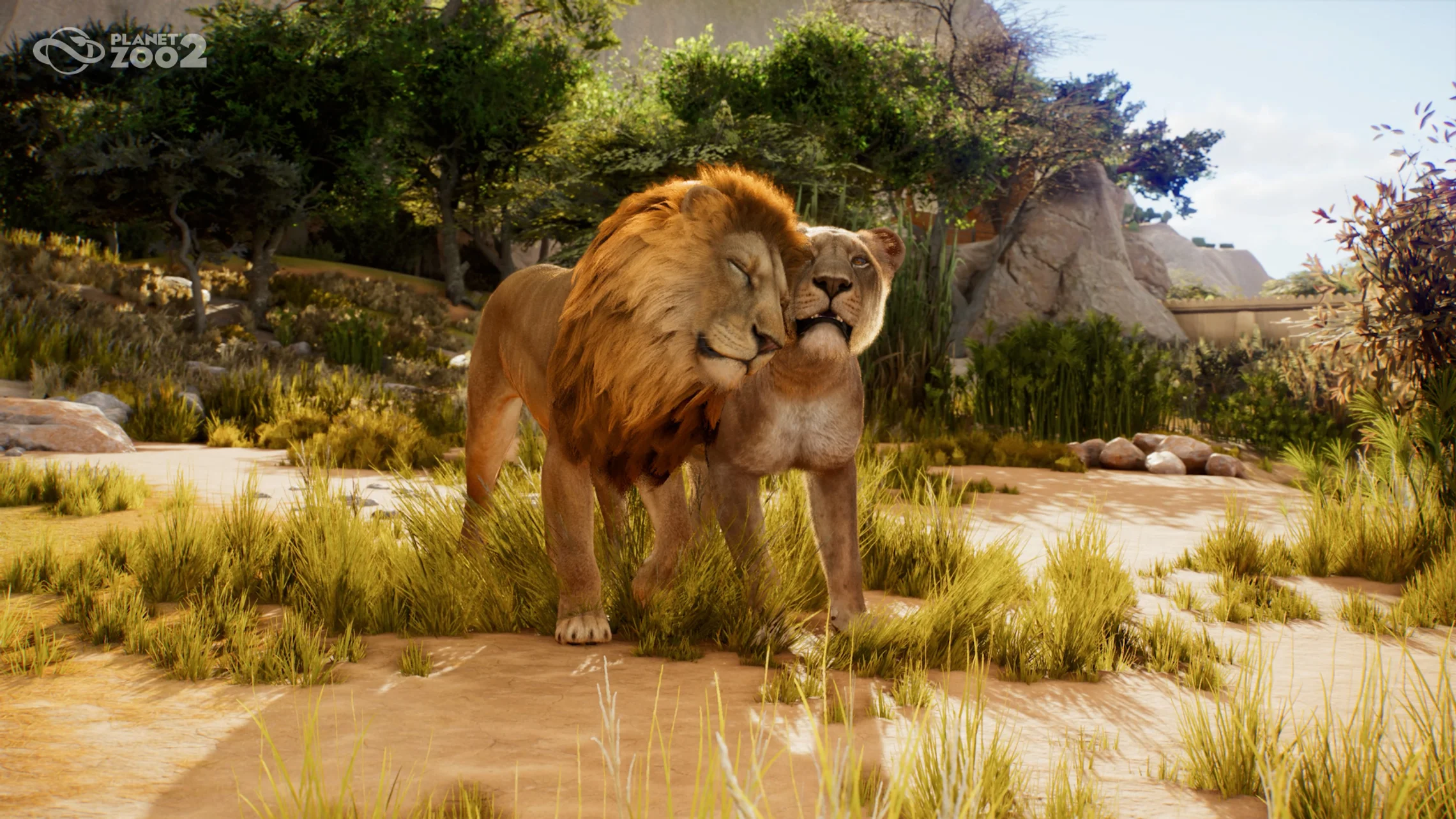
Outsiders are animals that are rejected by the majority of the social group due to species-specific population rules.
In some species, juveniles may become Outsiders when they mature into adults, and will need to leave in order to form new social groups. New animals can be accepted into existing social groups if they fit within the species' population limits.
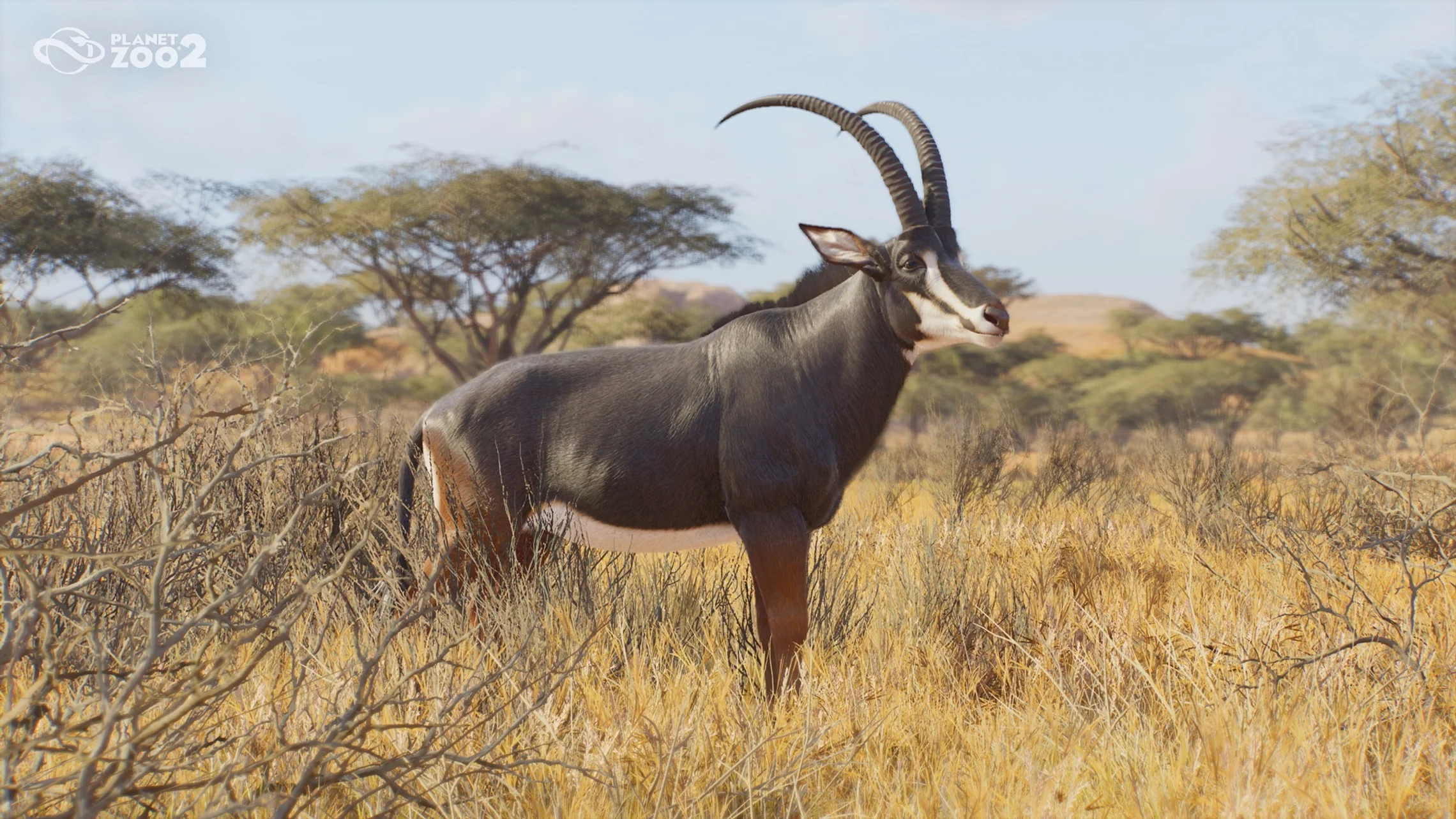
Mixed groups often have different male and female limits than bachelor groups. The Zoopedia details each species’ maturation type, population and gender limits.
Outsiders that are rejected by the group cannot interact with other animals, except by fighting, so they should be moved out of the Habitat.
Animals can be reintroduced to a social group if limits no longer apply. Juveniles with the same parents (siblings) in a Habitat become Bonded by default. Bonded animals never fight each other, overriding outsider relationships.
Unrelated animals may become Bonded with one another if they spend time interacting in the same Habitat.
Thriving
Thriving requirements go beyond welfare and describe animals exhibited in a natural, enriching environment. They represent going ‘the extra mile’ and mastering the husbandry of a species, making animals as comfortable as possible, and championing this to Guests.
Thriving animals can live longer, making up for health lost by disease and periods of low welfare. Guests will donate more for each Thriving species, and the Zoo Reputation’s Husbandry Rating increases for each Thriving species in the zoo.
The Thriving Requirements for each species are discovered by doing Research on the species, which may require releasing and studying them in the wild.
Learn more about undertaking Research in our Zoo Management guide.
Animal Appeal
The higher an animal's interest is, and the higher the cumulative appeal of all animals in the zoo is, the more guests will be drawn to visit.
An animal's appeal is firstly determined by its species. While an animal's welfare rating will not increase its appeal, it can negatively impact it!
Low welfare rating can reduce appeal by up to 50%.
There are several ways to increase an animal's appeal to Guests, which you can learn about in our Zoo Management guide.
Habitats are one of the key ways you'll manage the welfare of your animals, creating Barrier Habitats for terrestrial animals, aviaries for flying species and Aquariums for fully aquatic species. Each Habitat will have baseline requirements to be a valid environment for your animals, and each species will have its own needs for that Habitat.
The factors that impact a Habitat's suitability include:
- Space and the space requirements, including nesting sites where relevant
- Plants and Terrain
- Available Drinking Water
- Temperature
- Available Enrichment
Space Welfare
Each species requires a minimum amount of walking, sheltered, swimming, climbing or flying space. Each adult will slightly increase the space requirements, while juveniles do not affect space requirements at all. Planning for space is especially important for large social groups of animals, and can be calculated in the Zoopedia or by pinning the animal to the habitat.
Plants Welfare
Plants Welfare is affected by two factors:
- Plant Coverage. This can be fulfilled by using trees, bushes and other items to cover a suitable area of the Habitat.
- Required Plants. Some animals need plants with a Required Trait in their Habitat to be happy, for example Giant Pandas need Bamboo.
To get your animals Thriving, look for plants that are native to the animal's biome and continent or ocean.
Cleanliness Welfare
A new Habitat will automatically be clean when it is created but it won't stay that way for long! Habitats need regular cleaning by Keepers every season.
Old dung, rotten food, dropped Guest food, and even dead animals all become sources of disease as the Habitat gets dirtier. Water is kept clean by Water Filtration Facilities.
How To Clean Habitats
Keeping Habitats clean is key for your animal's welfare.
- Keepers will automatically clean Habitats that are within their Work Zone or near to their Keeper Hut. The more they have on their plate, the harder it'll be for them to keep all the Habitats clean.
- If your Habitats are routinely not being cleaned, hire more Keepers or place a Keeper Hut closer to the Habitat.
- If a Habitat urgently needs to be cleaned, you can use the Request Urgent Clean option on the Info Panel after selecting the Habitat. This will tell a Keeper to clean the Habitat as soon as possible.
Stress Welfare
Stress happens when Guests disturb animals over time, but only if there is insufficient hiding space in the Habitat. Some species are shy, and not able to tolerate many Guests, while others are more confident with lots of Guests.
You can check an animal's Temperament in the Zoopedia.
How To Reduce Stress
There are several ways to reduce the stress of your animals in their Habitats.
- When building a Habitat, ensure there is space away from the view of Guests. This allows shyer animals to take breaks from being viewed.
- Break Guests' line of sight by installing 1-way glass or by screening viewing areas with well placed plants as part of your Habitat. This allows Guests to view animals, but the animals will not see large groups of Guests and are less likely to have an increase in stress.
- Adding 'Do Not Disturb' signs in front of viewing areas is another way to give your animals a break from Guests looking at them.
Temperature Welfare
Each species has an ideal temperature range, which is listed in the Zoopedia. You may see animals retreat inside more often in hot or cold weather to regulate their own temperature.
If no ideal temperatures are accessible, animal welfare deteriorates depending on the discrepancy. The use of heaters and coolers, combined with the Temperature Heatmap, will help you meet the environmental needs of your animals.
Enrichment
Animals in captivity benefit from items which stimulate their natural behaviours through food or play. The more animals present in a Habitat, the greater the demand for enrichment items.
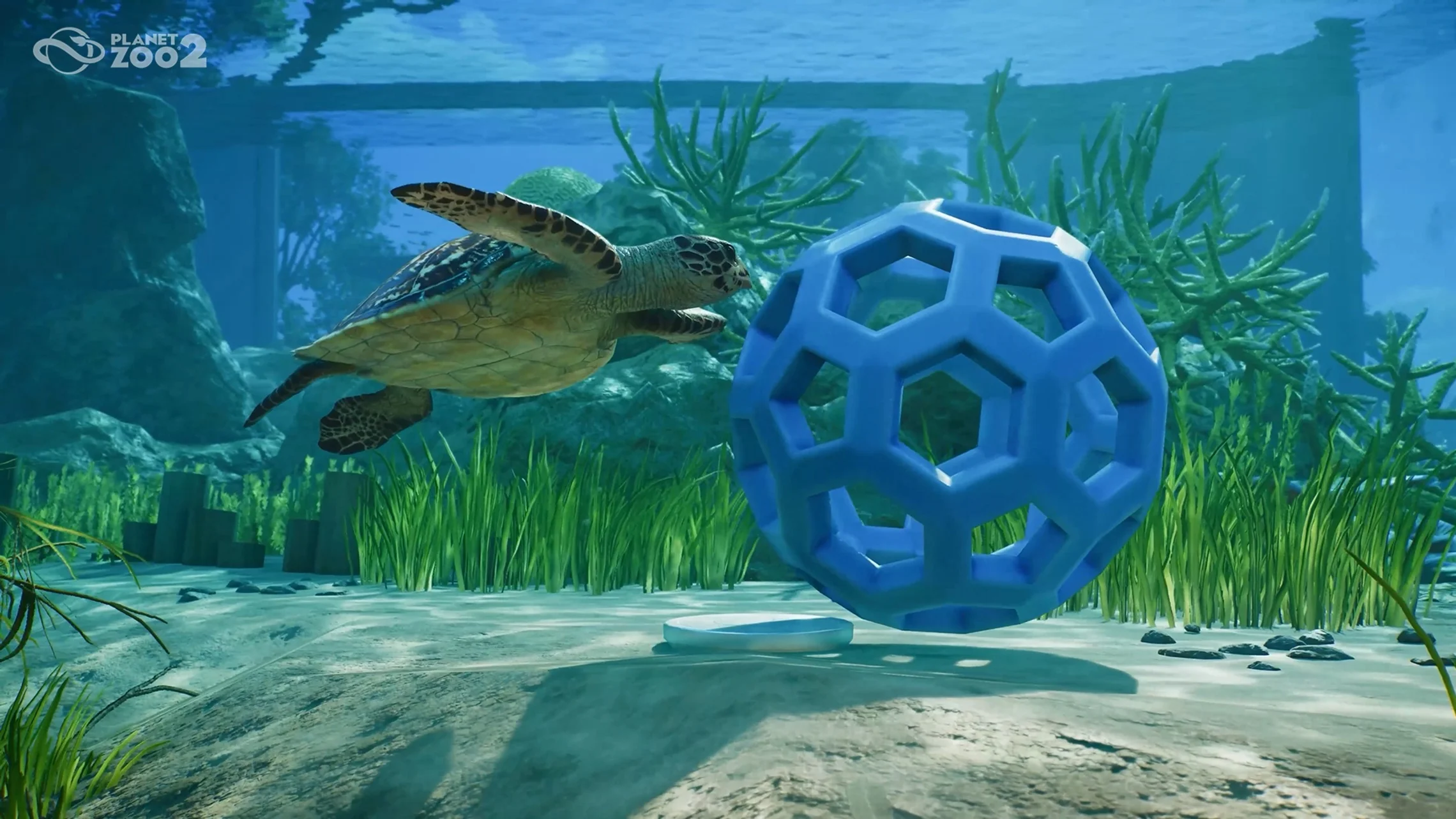
Food-based enrichments give animals more of an interesting challenge to get to their food. Keepers will refill food-based enrichments when they bring food to a Habitat.
Toy enrichments keep animals active and engaged in their Habitats. Additional Enrichments can be unlocked by performing Research.
The animals in your care in your zoos will require more than great Habitats! Species can be susceptible to illness and disease for a number of reasons, so you'll need to take precautions to stop sickness spreading from animal to animal.
You'll need a Vet and Vet Surgery to treat any illnesses and injuries that might occur. You will also need a Quarantine to stop diseases entering your Habitats when you transport new animals to zoos.
Learn more about the work Vets do in our Staff guide.
Animal Disease
There are a wide variety of diseases that animals can catch and transmit to each other. These vary from deadly serious to mild irritations. Proximity to sick animals spreads infections that can quickly overwhelm your Vets.
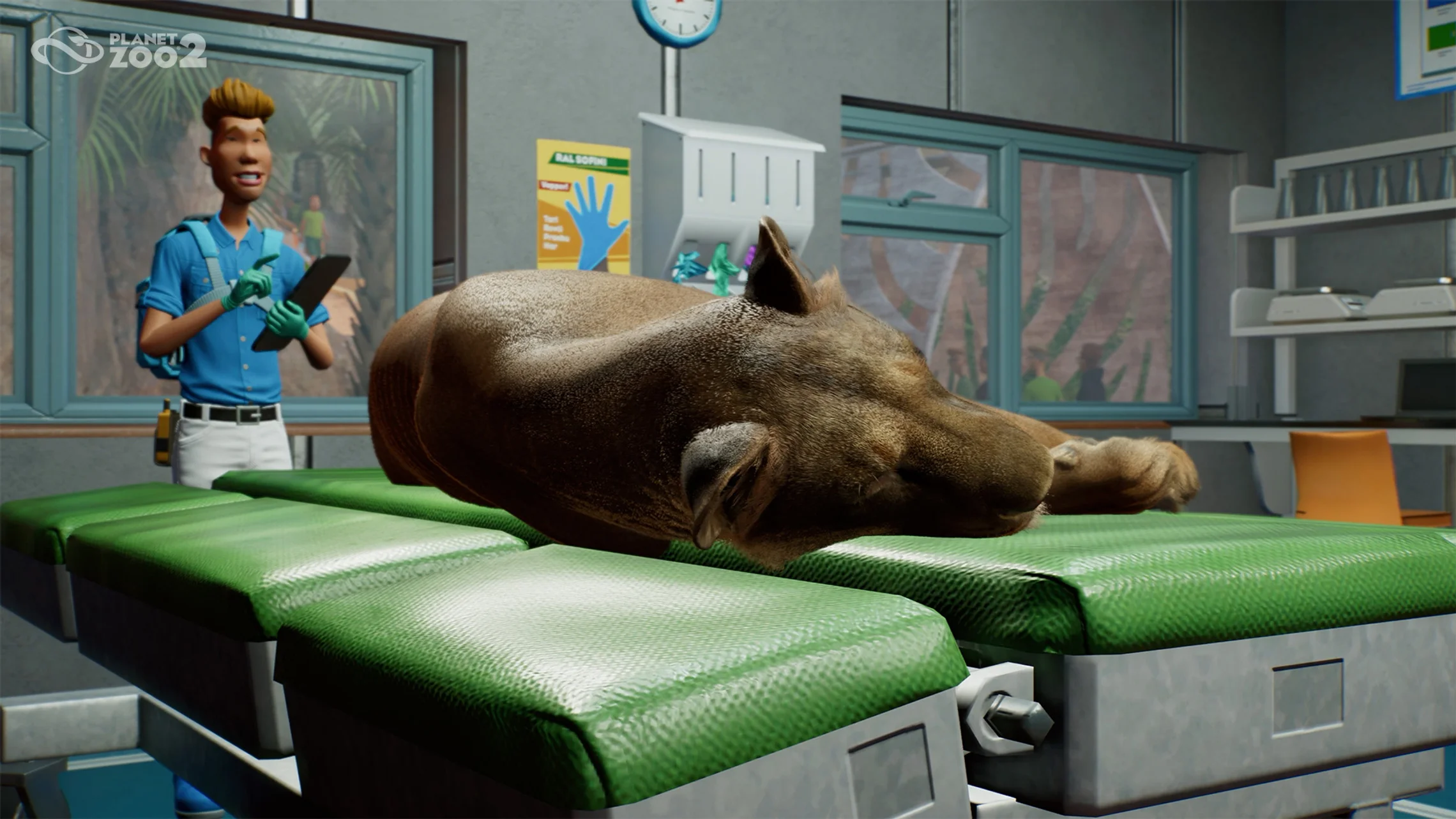
Quarantining newly adopted animals can help detect and treat infections before they reach other animals. Keepers will regularly clean Habitats and Aquariums, while water filtration networks keep bodies of water clean.
Cleaning removes the sources of new diseases, including old dung, rotting food, dead animals, and unfiltered water.
Animal Injury
Animals can become injured through fights among their own species. These fights can be avoided by managing the animals' social groups.
Animals with light injuries will heal over time depending on the animal's welfare and immunity. Animals with serious injuries may die of their wounds without intervention.
All injuries can be treated by a Vet in the Vet Surgery. Injuries from fights leave permanent scars, even after healing.
How To Improve Animal Health
There are steps you can take to improve the health of all the animals in your zoos and prevent the spread of illness.
- Make sure the zoo has enough Vets and Vet Surgeries. Depending on the number of animals in your zoo, you'll need ensure you have enough Vets and the space to treat animals at any time.
- Place new animals into quarantine before housing them in their Habitat with other animals. This will stop the introduction of diseases to other animals in your zoo and allow Vets to treat a single illness rather than a wide spread infection.
- Hire enough Keepers to keep all your Habitats clean. Keepers remove many things that are a source of disease from animal's environments, including dung, old rotting food and dead animals.
- Build a water filtration network. Unfiltered water can be a source of disease if used by animals as a source for drinking water. Learn how to build a water filtration system in the Building Your Zoo guide.
Through careful management of an animals needs, you'll be able to increase their chances of breeding and producing offspring. As a zookeeper you'll be able to nurture generations of animals in your zoo, and restore population numbers by releasing them into Wildlife Reserves.
Animal Breeding
Healthy, adult animals will mate during their mating season if they are not already nurturing offspring. Some species have better fertility than others, but the best breeding chances come from higher welfare, high-quality Genetics and species Research. You can find more detail about each species' breeding behaviours in the Zoopedia.
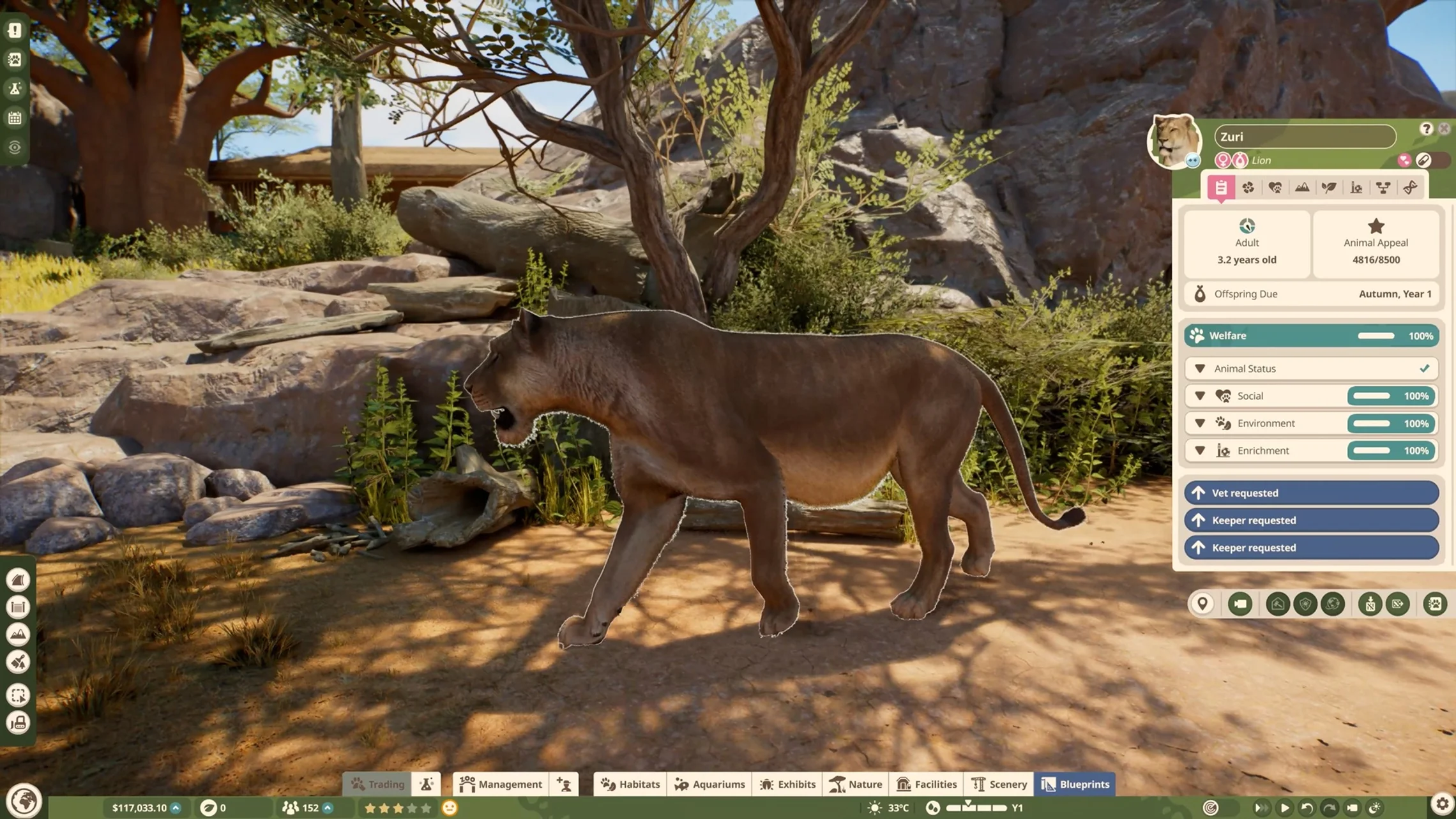
Offspring will inherit a mixture of genetic information, so breeding can produce both higher and lower quality Genetics than the parents'. The likely genetic outcomes from a breeding pair of animals are highlighted in the Compare Mates panel (found inside the Genetics tab in the animal's Info Panel).
When animals are in the same Habitat, their chance of conception improves by ensuring good welfare, a lack of distraction from other mating partners, and by unlocking fertility boosts through Research.
How to Breed Animals
Help your animals thrive for generations by encouraging breeding in your zoos.
- Check the animal's social and breeding requirements in the Zoopedia or their Info Panel.
- All animals have a mating season, for some this will be a set period of time such as Spring or Winter, for others they breed all year round.
- If an animal needs to nest in order to breed, this will be listed under their social needs on the Overview screen of their Info Panel.
- Find and compare mates in the Genetic screen of the animal's Info Panel. This will also tell you any potential issues affecting Conception, such as Low Welfare or Illness. You will need to solve these issues before any animals can breed.
- Once your breeding mates are in a comfortable environment and are healthy, they will breed during their mating season, as long as they don't already have juveniles to care for.
- You can increase an animals fertility by ensuring they are well cared for, have high-quality Genetics and by completing Research.
- Shoals and colonies breed differently to individual animals.
- As a collective group of animals, a shoal or colony will automatically grow each mating season, the growth depending on factors like species fertility, research bonuses, shoal size, and shoal welfare.
- Shoals have a maximum size to which they can grow. If this size is reached, it will split into two shoals at the next mating event.
- Low welfare or predation can lower shoal growth rate, mitigating growth from breeding and even shrinking the shoal over time.
Contraception
To control population numbers it may be necessary to moderate breeding, either through separation into different Habitats or by applying contraception. Animals on contraception do not breed.
How To Stop Animals Breeding
Sometimes, the population of your zoos may have grown enough!
- Select the animal you wish to stop breeding.
- In the Overview of their Info Panel, toggle On or Off the Apply Contraceptives option.
- Alternatively, navigate to Management > Animals and select the Contraceptives toggle to turn them on or off for any animal in your zoo.
Animal Genetics
Every animal has its own DNA, inheriting Genetics from each parent. Additive genes positively reinforce traits when two animals breed, they are:
- Vitality
- Longevity
Genes improve when the genetic information from both parents is different, otherwise traits like Fertility will degrade. This tends to occur with inbreeding.
The Diversity genes are:
- Fertility
- Immunity
Animals tend to have a similar appearance to their Parents.
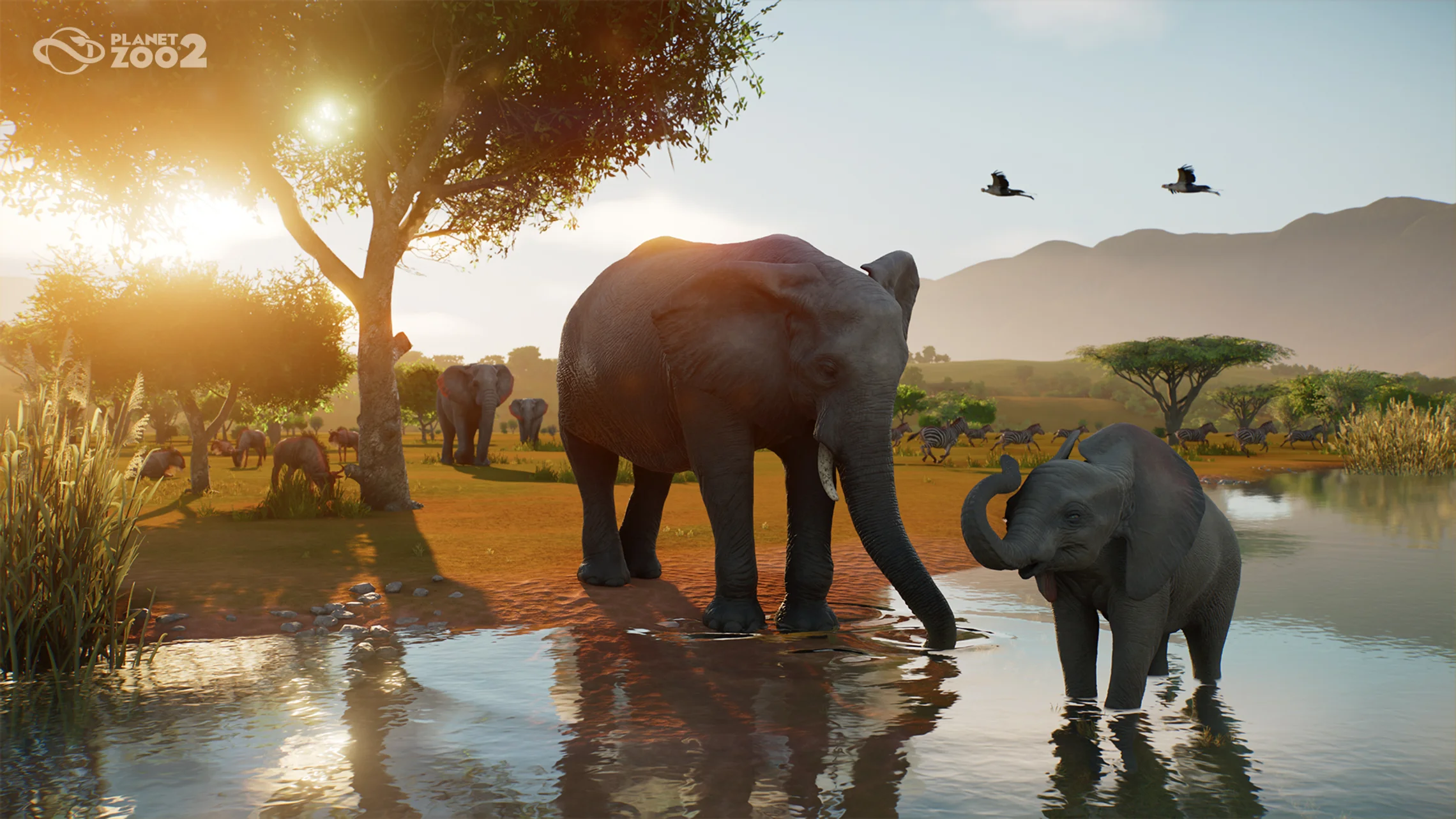
Animal Genealogy
Genealogy displays information about an animal's parents, siblings, mates and offspring in one screen. It also shows their Genetics, allowing you to follow Genetics across families and generations.
Each gene is represented by 6 pairs of the letters A, B C and D. Offspring will inherit one set of letters from each parent, to form new genes, there is also a low chance for individual gene letters to mutate to a new letter. High quality Genetics for additive genes Vitality and Longevity have more of the letters A and B.
Animals can be selectively bred to find matches which increase the number of A and B letters in the gene. High quality Genetics for diversity genes Fertility and Immunity have fewer pairs of any letter, like AA, BB, CC or DD. Inbreeding is likely to produce double letter pairs more often, reducing Fertility and Immunity.
How To Improve Genetic Rating
Whether you are breeding animals to release to Wildlife Reserves or to improve population number in zoos, Genetics are important for the health of each species.
- Compare the genetic traits of potential mates before breeding. This can be done from an animal's Genetics screen in their Info Panel. This menu will show the likely genetic outcomes and give you a good idea if their offspring will have higher or lower quality Genetics.
- Encourage breeding between two mates that have different genetic traits. Genes improve when there is more genetic diversity.
- Ensure the breeding pair of animals has a good standard of welfare and Research the species to unlock fertility boosts that will improve their chances of conception.
- Adopt animals from the Trade Centre who have good Genetic Ratings already. Breeding them with other animals will increase the genetic rating of their offspring.
Nesting Sites and Behaviours
A mixed-sex group of egg-laying animals requires at least one nest per pair in the Habitat. Only pairs with an accessible nest can mate. Each species has a specific Nest Type it can use. Find suitable nesting sites by using the species filters in the Habitat tab of the Browser.
Species' nesting behaviour varies greatly: Some incubate their eggs and provide parental care to the nestbound hatchlings. Others simply bury their eggs and leave, with the young being independent upon hatching. Check the Zoopedia for details per species.
How To Build a Nest
Nests are necessary for certain species to be able to breed, and there a several ways to build one.
- In the Habitats menu of the Browser, select Bedding, Shelters, and Nests > Nests. This will show all the available Nests and can be filtered by species to find a nest suitable for the animal you are building a Habitat for.
- Additionally, you can find a suitable nest for a species in its Info Panel. If a nest is required for breeding, the Social need for Nesting Sites will appear on the Overview screen of the Info Panel. Select this and the Browser will display which nests meet the requirements of that particular species.
- Once you have a nest, place it in a suitable area for the animal in their Habitat. Some species will prefer their nests be out of view from Guests. You can find more information on nesting and breeding behaviours in the Zoopedia.
At times you'll need to move animals around your zoos, either to Facilities or to new Habitats, and into Wildlife Reserves.
You may also need to store species to trade them at a Trade Centre to gain Conservation Credits in Franchise Mode, or funds in any other game mode.
Animal Storage
Animal Storage is a central place where newly-acquired or stored animals are shared across all your zoos. It can be accessed inside Animal Trading.
Your Animal Storage is shared across all of your zoos, but it has a limited capacity. Increase your Storage capacity by raising your Accreditation Tier.
How To Store Animals
You will need to store animals for various reasons, including moving or improving Habitats and adopting or trading species.
Select the animal you want to store.
- At the base of their Info Panel, select Send animal to Storage in Trade Centre to immediately move them to Storage.
- Alternatively, select Move, then choose the Animal Trading Centre as the location you'd like to move the animal to. This will automatically box up an animal and send them to Storage.
- Any stored animal is now accessible via the Storage menu and can be accessed across all your zoos.
Moving Animals
Animals regularly need to be moved between the Facilities and Habitats in your zoo.
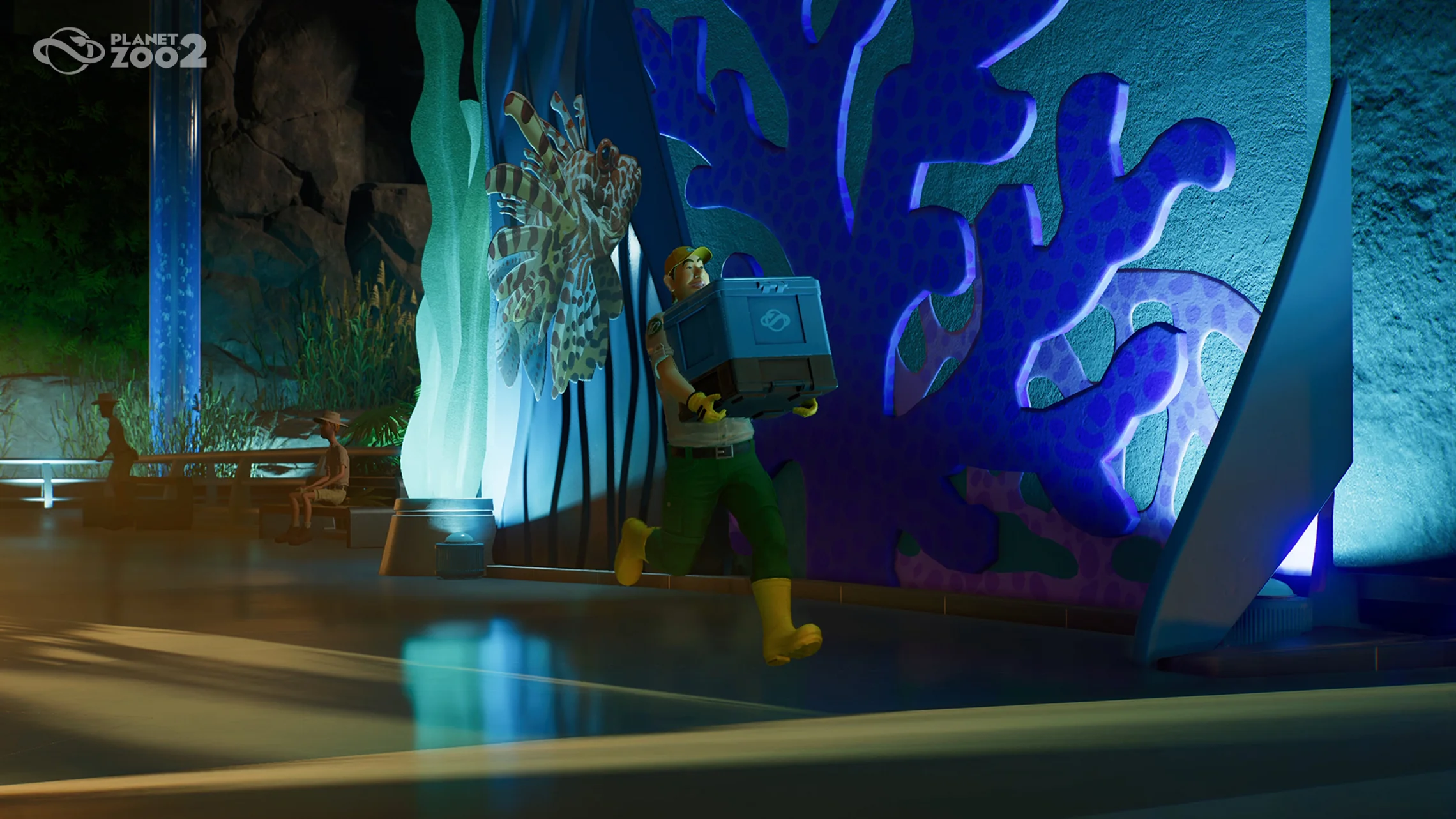
When a move happens, an available Caretaker or Vet will come and box the animal, and carry it to the destination, where it will unbox automatically.
All animal moves require a Trade Centre that is connected to the main path network.
How To Transport Animals
Moving animals around your zoos is integral to your conservation work.
- Any stored animals you have will be accessible in the Storage screen of Trading & Storage. This storage system is available across all your zoos, making it a central hub to access your animals from.
- If you would like to transport an animal from one zoo to another, make sure your chosen animal is in Storage. Then, via the Planet Hub, move to the zoo you'd like the animal to be housed at.
- Once you're in your chosen location, ensure you have a Trade Centre built. This will give you access to the Trade and Storage tab for this location and allow you to select the animal to transport from Storage.
- Now select the Habitat you want to move them into, and welcome them to their new home!
Animal Trading
Animal Trading is where you adopt new animals for your zoos. You must have a functional Trade Centre building in your current location in order to access Trading.
Once you adopt an animal, it is kept in Animal Storage, ready to be welcomed into your Zoo.
Before you can trade an animal, you must send it to the Trade Centre. Animals can only be traded as healthy and stable adults - they cannot be traded when they are Juvenile, Gestating, Elderly, Sick or Injured
In Franchise Mode you can list animals in Trading and sell them to other players for Conservation Credits. Other players will be able to adopt your animal for the price you set while the animal is listed. If the animal isn't adopted before the listing expires, it will return to the Animal Storage.
In any game mode, you can use Quick Trade (for Cash), Quick Release (for CC) or Rehome (for a fee) to quickly move your animal on to another zoo.
How To Trade Animals
Trading animals is a great way to adopt species into your zoo or gather additional funds to support your conservation work.
- Select the Trading & Storage tab on the Browser. Note you'll need to build a Trade Centre first.
- Browse the list of the available species for adoption, which will cost either Conservation Credits or funds.
- Choose the animal you'd like to acquire and select Adopt. The animal will be sent to Storage and is ready to add to a suitable Habitat.
- Alternatively, if you'd like to trade one of your own animals, select them in Storage. You will then have multiple options available to quick trade, quick release, return to Habitat or rehome the animal. In Franchise mode, you can also list the animal for adoption by other players.